


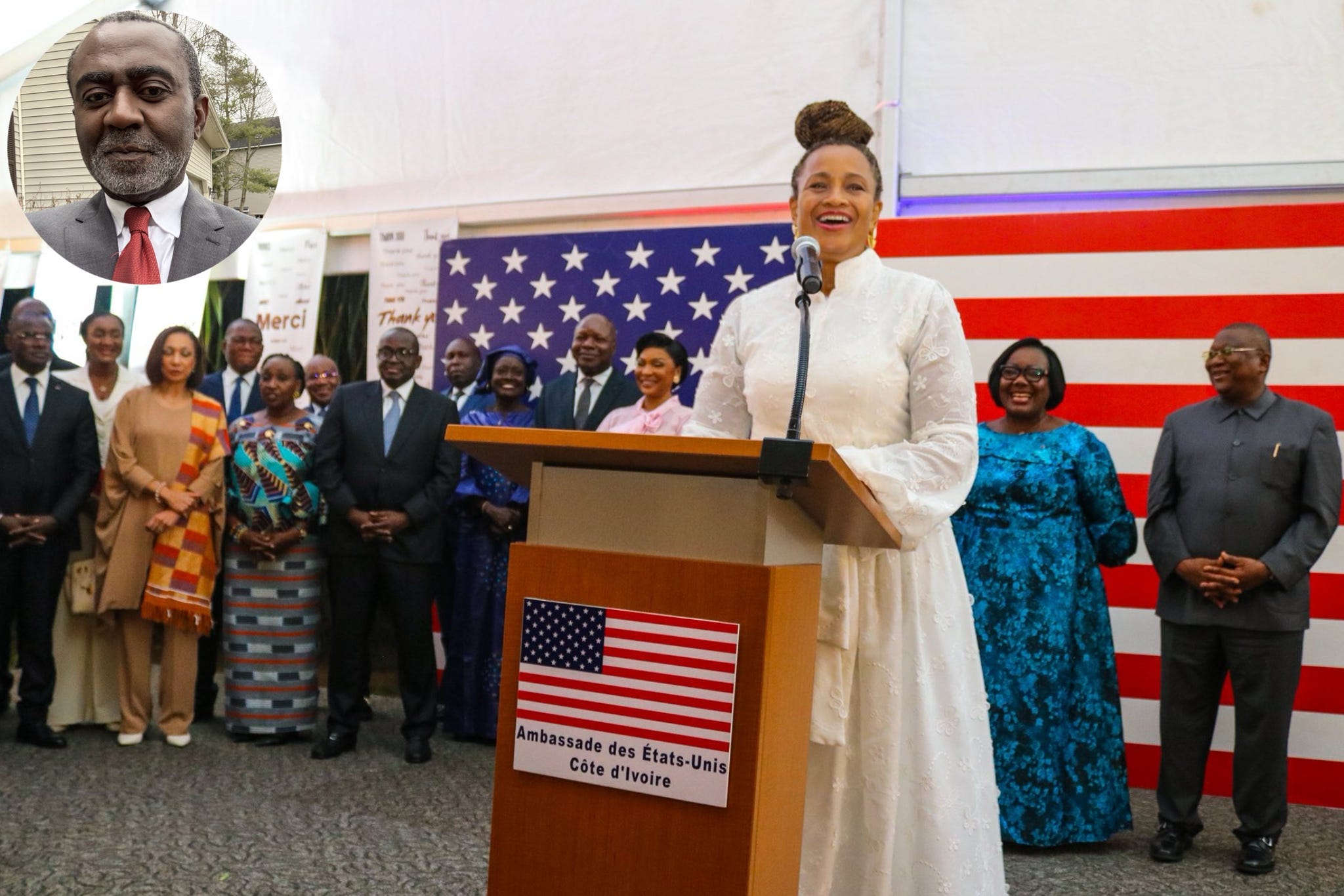
By Eric Agnero
The abrupt recall of Jessica Davis Ba, amid a broader drawdown of career diplomats ordered by the Trump administration, is more than a personnel change. It exposes a deeper diplomatic miscalculation—one with consequences not only for Abidjan but for U.S. influence across a rapidly shifting African landscape.
For the authorities in Côte d’Ivoire, Ambassador Ba’s departure represents the loss of a valuable stabilizing asset. During her tenure, she helped preserve strong bilateral relations despite a troubling deterioration in governance and human rights under President Alassane Ouattara. Her presence reassured Washington at a time when international scrutiny might otherwise have intensified.

But stability came at a cost.
By privileging institutional continuity over political reality, U.S. diplomacy under Ambassador Ba failed to fully register a profound transformation underway—one visible across the continent and unmistakable in Abidjan. A new generation of leaders, activists, and politically conscious youth is emerging. They are impatient with managed democracies, exhausted by economic exclusion, and increasingly skeptical of Western rhetoric unaccompanied by action.
This generation is also geopolitically fluid. Where Western partners appear complacent or complicit, alternative narratives gain traction—sometimes opening the door to actors such as Russia, which present themselves as anti-establishment and sovereignty-affirming. Ignoring this shift is not neutrality; it is strategic blindness.
Nowhere was that blindness more evident than during Côte d’Ivoire’s most recent presidential election. Major opposition figures were excluded from the process. Hundreds of opposition supporters were arrested in the aftermath. Many remain detained in overcrowded and degrading prison conditions. Yet Washington’s representation remained publicly silent. For large segments of Ivorian society, that silence was read not as diplomatic restraint but as tacit acceptance of democratic regression.
Symbolism compounded substance. During Independence Day celebrations in Bouaké, U.S. military participation—at an event from which all significant opposition figures were excluded—sent a message that resonated far beyond protocol. To critics, it suggested alignment with power rather than engagement with society.
Equally overlooked was the social desperation fueling mass emigration. Faced with shrinking opportunities and a closed political space, many young Ivorians see only one option: leaving. This exodus is increasingly facilitated by corruption within the civil administration—fake passports, fraudulent identification, compromised registries. The state, unable or unwilling to reform, has become an accomplice in its own brain drain. Ignoring this reality means missing the true drivers of instability.
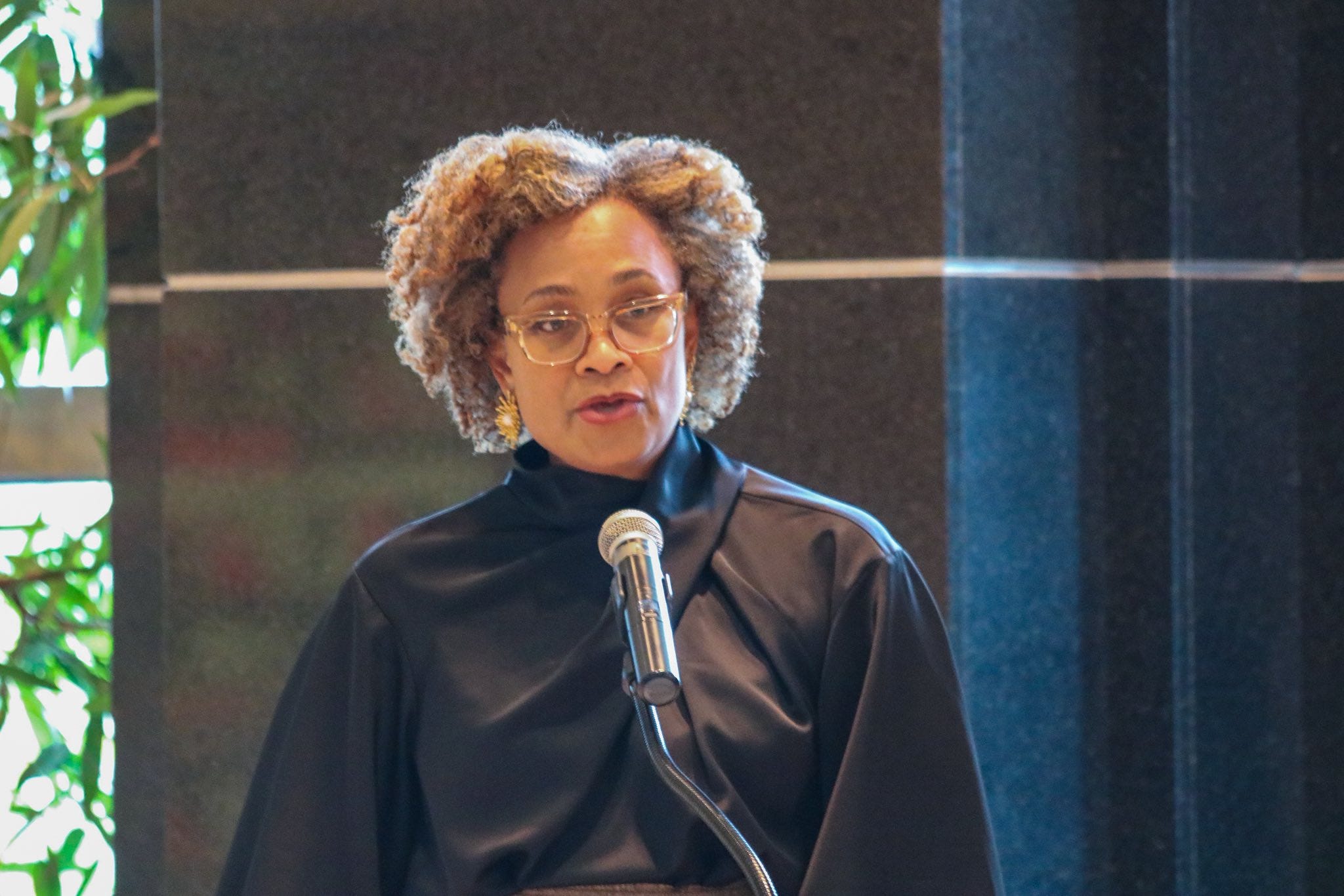
To be clear, Ambassador Ba’s departure is not a victory for the opposition. It is, however, the removal of a diplomatic equilibrium that helped normalize a closed political order. For the regime in Abidjan, it introduces uncertainty. For Washington, it offers a moment of recalibration.
Africa is not waiting. The streets are speaking. Youth are mobilizing. Political legitimacy is being renegotiated in real time. Diplomacy that listens only to palaces and protocols will find itself increasingly irrelevant—ceding influence not because it is challenged but because it is absent where it matters most.
The question now is whether U.S. engagement will evolve—toward listening, accountability, and genuine partnership—or continue to confuse short-term stability with long-term influence. The answer will shape not only Côte d’Ivoire’s trajectory but America’s credibility across a continent in motion.

Eric Agnero is a Vermont-based journalist, international affairs analyst, and business consultant with over three decades of experience across Africa, the United States, and Europe. A former broadcaster with Voice of America and stringer for CNN, he has worked with multilateral institutions, civil society organizations, and governments on governance, media, and strategic communications. His work focuses on diplomacy, democratic transitions, and the political economy of Africa–U.S. relations.