


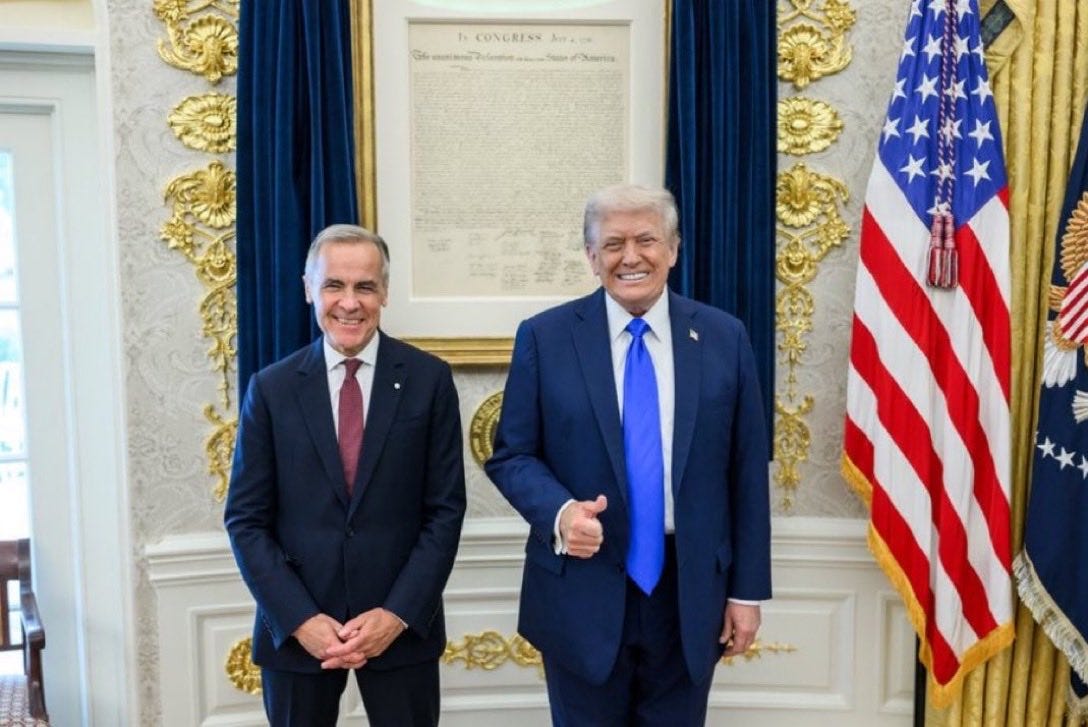
Prime Minister Mark Carney isn’t ruling out the possibility of Canada participating in U.S. President Donald Trump’s “Peace Council.”
Speaking at the World Economic Forum in Davos, Switzerland, on Tuesday, Carney said many questions remain about the structure of the council, which was created to oversee the next phase of the Gaza peace plan.
The creation of this council quickly sparked controversy when it was confirmed that Russian President Vladimir Putin had been invited, despite Russia’s ongoing war in Ukraine.
International leaders also indicated that the council’s mandate extends beyond the Gaza crisis and that permanent membership requires a contribution of $1 billion.
Asked about the cost of this contribution, Carney said Canada would be willing to provide funds that would be channeled directly to improve the well-being of Palestinians.
Mixed Signals from Canadian Officials
Earlier in the day, Finance Minister François-Philippe Champagne told reporters in Davos that while many details remain to be worked out, Canada would not pay for its participation in Trump’s “Peace Council.”
The apparent discrepancy between Carney’s and Champagne’s comments highlights the ongoing deliberations within the Canadian government about how to respond to Trump’s initiative. The Prime Minister’s more cautious approach suggests Canada is keeping its options open while assessing the council’s structure and objectives.
The controversy surrounding Putin’s invitation has raised concerns among Western allies about the council’s credibility and whether participation would legitimize Russia’s actions in Ukraine. Canadian officials will likely face pressure from both domestic and international partners as they weigh their decision.
The $1 billion membership fee represents a significant financial commitment, particularly as countries balance humanitarian assistance with other budgetary pressures.