


I. THE FIRE IS REAL
History will not forgive silence dressed up as neutrality.
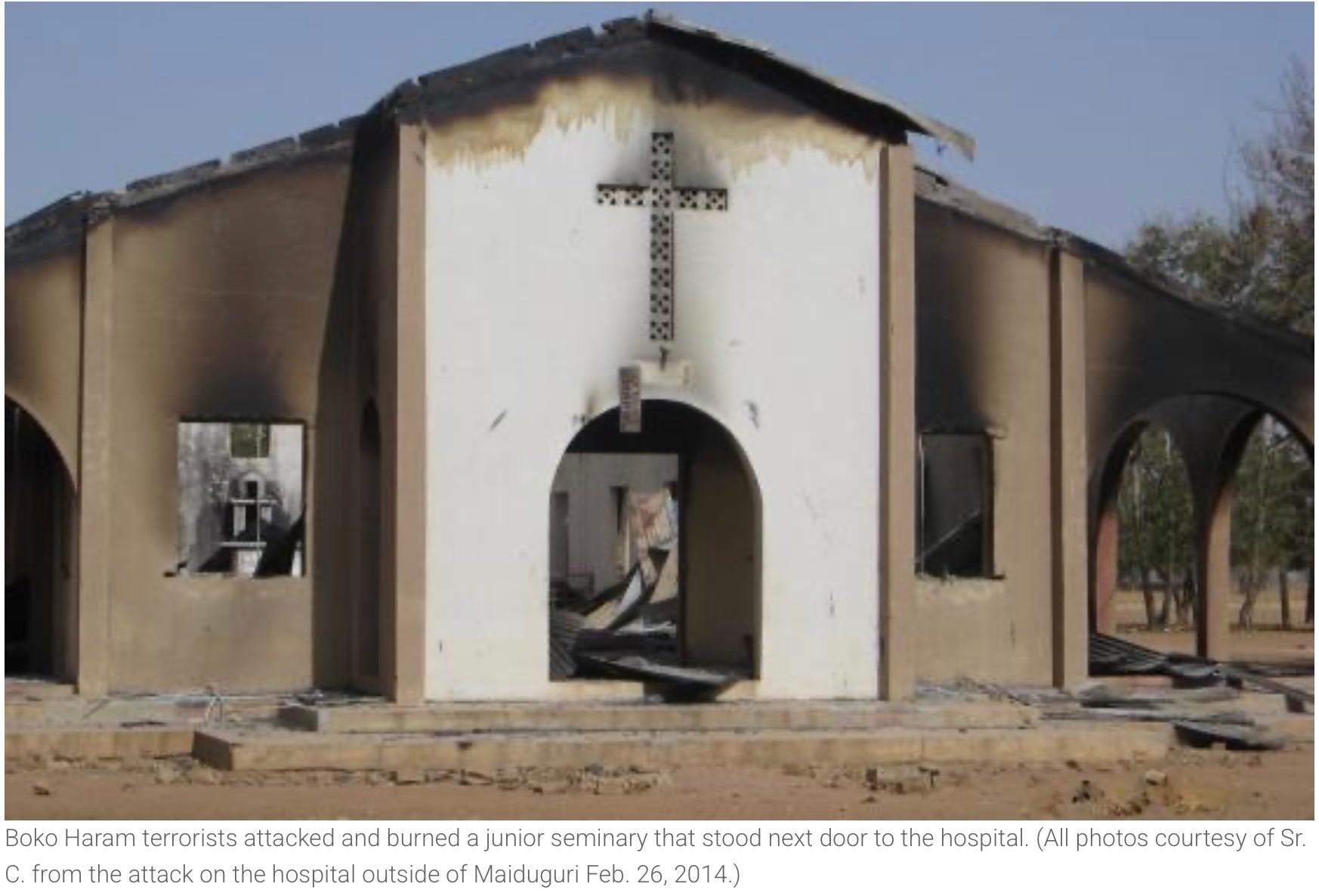
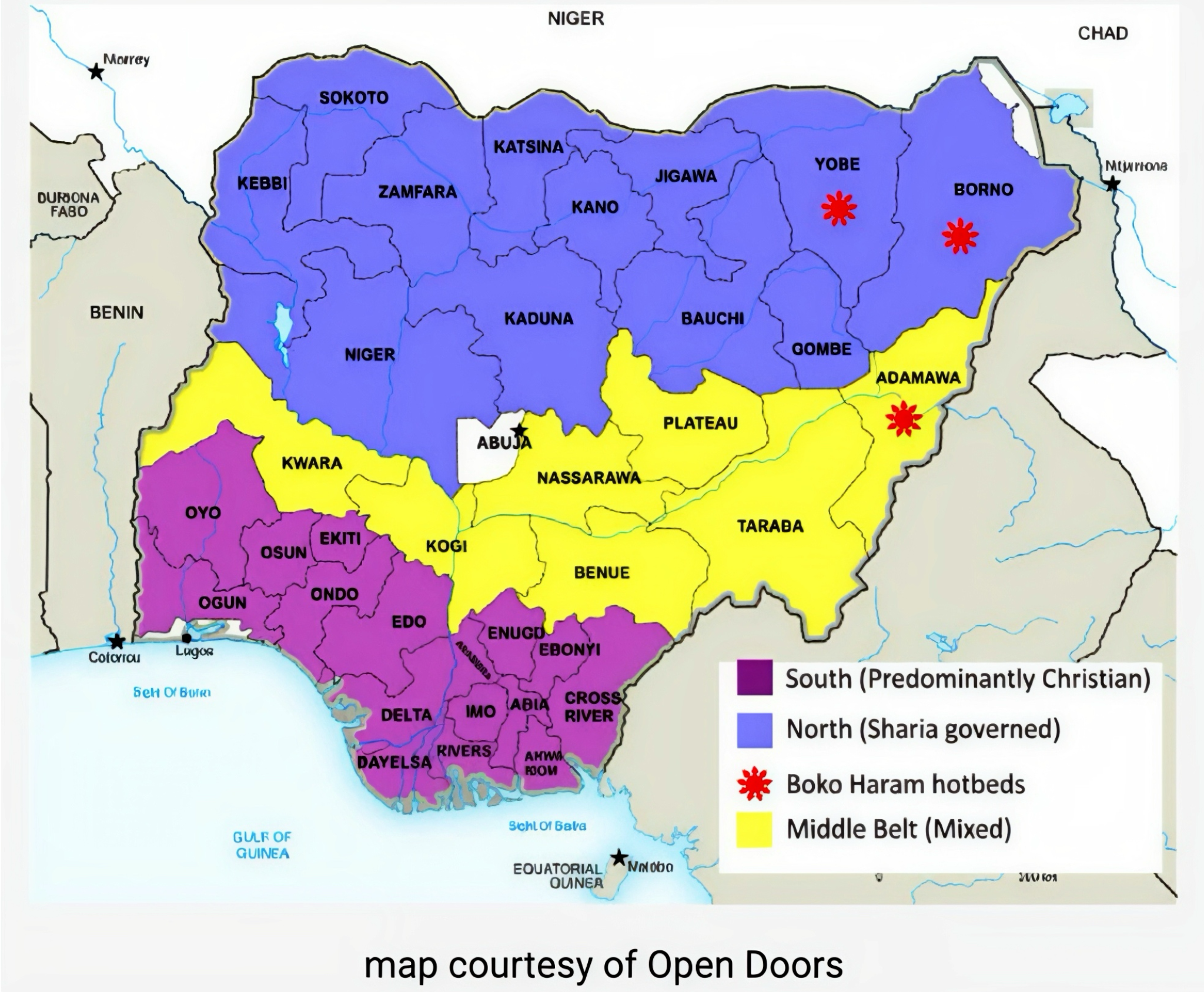
In the Middle Belt of Nigeria, in Plateau State, Benue, Kaduna, Zamfara, communities are being erased. Villages burned before dawn. Farmers slaughtered on their own land. Women taken. Children orphaned or conscripted. Churches reduced to ash and memory.
This is not a political abstraction. This is not a distant conflict too complex to name. This is a humanitarian catastrophe unfolding in real time, in Africa’s most populous nation, while the world adjusts its tie and looks the other way.
The victims are not only Christians. They are also moderate Muslims, animists, indigenous communities, and farmers of every faith who simply want to plant and harvest in peace. But let us be honest, and geopolitical honesty demands we say this clearly, Christian communities in Nigeria’s Middle Belt and South have been disproportionately and systematically targeted. The Global Terrorism Index has ranked Nigeria among the world’s most affected countries by terrorism for years. The Open Doors World Watch List consistently places Nigeria among the top five countries where Christians face extreme persecution.
These are not opinions. These are documented facts. And facts demand a response.
II. WHY THE UNITED STATES MUST ACT
Some will ask: why America? Why should Washington intervene in a sovereign African nation’s internal affairs?
The answer is neither simple nor sentimental. It is strategic, legal, and moral — and all three arguments point in the same direction.
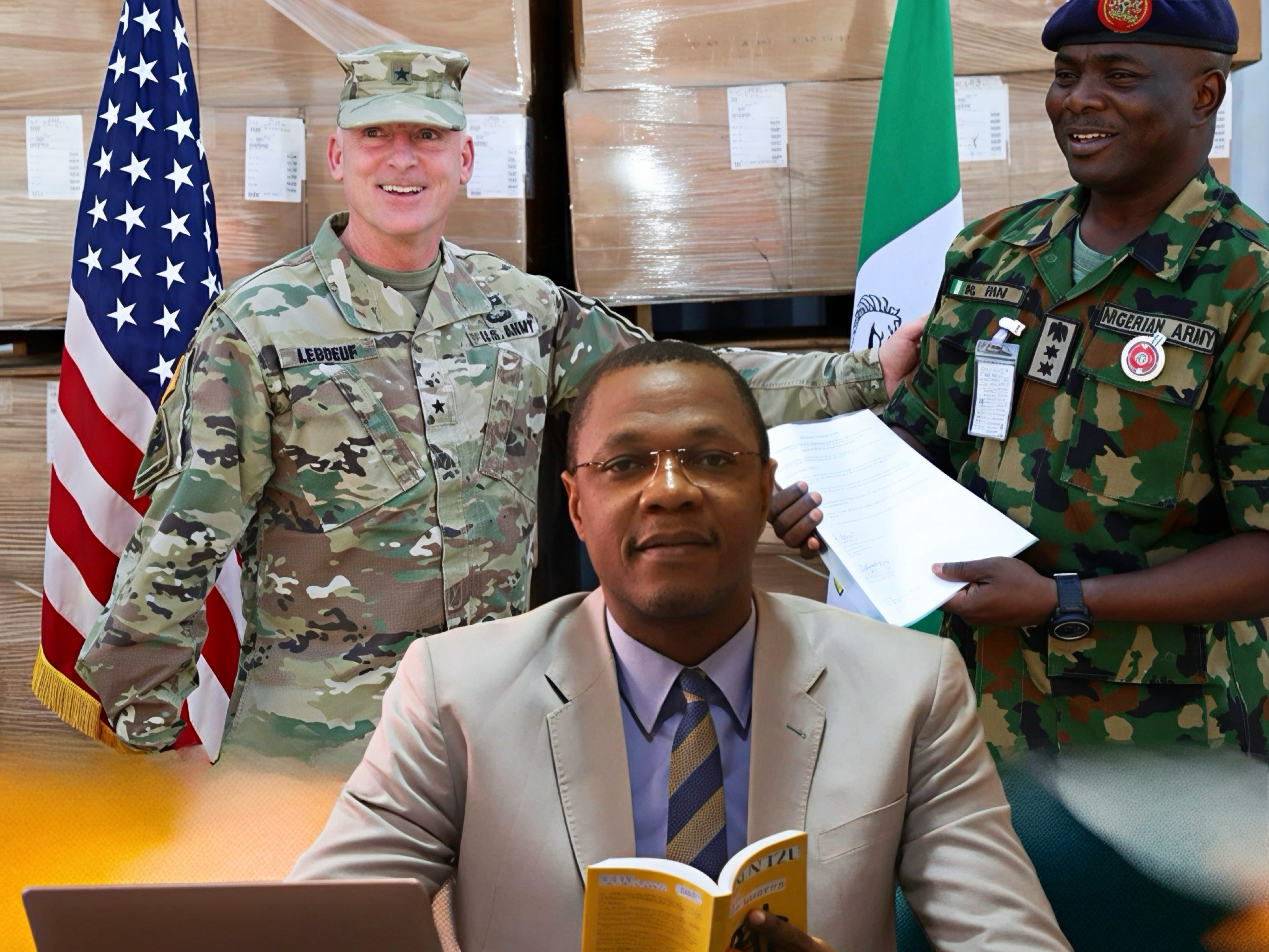
Strategically, Nigeria is the engine of West Africa. With over 220 million people, the largest economy on the continent, and oil reserves that remain significant to global supply chains, Nigeria’s destabilization does not stay within Nigerian borders. What begins in the Middle Belt spreads, into Niger, into Chad, into Cameroon, into Burkina Faso, into Côte d’Ivoire. The Sahel is already on fire. We in West Africa feel the heat every single day. A failed or fractured Nigeria would be a catastrophe without precedent for the entire region. The United States, which has spent trillions countering instability in the Middle East, cannot afford to ignore a comparable implosion on the Atlantic coast of Africa.
Legally, the United States has both the framework and the precedent. The International Religious Freedom Act, the Responsibility to Protect doctrine endorsed by the UN, and America’s own foreign policy commitments to human rights all provide legitimate pathways for engagement, not military occupation, but targeted pressure, diplomatic muscle, sanctioned support for civilian protection, and accountability mechanisms for perpetrators. The U.S. designated Boko Haram and ISWAP as Foreign Terrorist Organizations. The infrastructure of response already exists. What is missing is the political will to use it.
Morally, the United States was built on a founding promise: that all people are endowed with inalienable rights. That promise was imperfect in its origins and remains imperfect today. But it is the standard by which America judges itself and by which the world judges America. A nation that spent billions protecting communities in Kosovo, in Kuwait, in South Korea, cannot justify indifference to mass atrocities in Nigeria on the grounds of sovereignty. Sovereignty is not a license for governments to permit the annihilation of their own people. Nigeria’s federal government has repeatedly failed to protect its most vulnerable citizens. That failure creates both a moral vacuum and an international obligation.
The ask is not boots on the ground. The ask is engagement, real, sustained, consequential engagement. Sanctions against identified militia leaders. Intelligence sharing with Nigerian security forces who are actually doing the work. Diplomatic pressure on Abuja to treat these attacks as the national emergency they are. Humanitarian corridors. Accountability before the International Criminal Court. These are not radical demands. They are the minimum that civilization requires.
III. THE LESSON FOR CÔTE D’IVOIRE
I say all of this not only as an analyst. I say it as an Ivorian. As a pastor. As a man who has watched what creeping instability does to a country — because Côte d’Ivoire lived through it. We know what it costs when communities are played against each other. We know what it costs when the state fails to protect the vulnerable. We know what it costs when the church stays quiet and lets politics be handled by those who do not share our values.
We paid for that silence in blood and years of crisis.
Nigeria is not Côte d’Ivoire. But the patterns rhyme — and those who know the melody should not wait for the full song to play out before they speak.
The Christian communities of West Africa are not victims waiting to be saved. We are citizens, voters, professionals, builders, thinkers, and believers with a right and a duty to participate fully in the political life of our nations. For too long, we have ceded that space — to those who use faith as an instrument of division, and to secularists who would prefer that believers leave their convictions at the church door before entering public life.
That era is over.
IV. THE CALL — TO MY BROTHERS AND SISTERS IN CÔTE D’IVOIRE
I am announcing today what many of you already know is necessary: the formation of a structured Christian political movement in Côte d’Ivoire — not a party built on exclusion, not a movement of hatred toward any faith or community, but a movement rooted in the values of human dignity, justice, servant leadership, and the common good.
We believe that the Word of God has something to say about governance. We believe that the teachings of Christ — on the poor, on justice, on truth, on accountability — are not private convictions to be hidden but public commitments to be lived. We believe that a nation built on those values will be more just, more stable, and more prosperous for every citizen, regardless of their faith.
Our movement will speak for the farmer in the north who fears tomorrow. It will speak for the young woman in Abidjan who cannot find work. It will speak for the entrepreneur strangled by corruption. It will speak for every Ivorian who believes this country can be better than it has been — and is willing to do something about it.
We will be organized. We will be peaceful. We will be disciplined. And we will be heard.
To the pastors across this country who have felt the call to do more than preach on Sunday — the moment is now. To the Christian professionals, the lawyers, the doctors, the teachers, the entrepreneurs who have wondered whether faith has a place in the public square — the answer is yes, and the door is open. To the young Ivorians who are hungry for a politics that means something beyond tribe and personal enrichment — we are building something for you.
Nigeria is burning. The Sahel is fracturing. The world is being reorganized by those with the boldness to act. West Africa needs a voice that speaks with moral clarity, strategic intelligence, and deep roots in the communities that make up the heart of this region.
That voice will rise from Côte d’Ivoire.
That voice starts now.
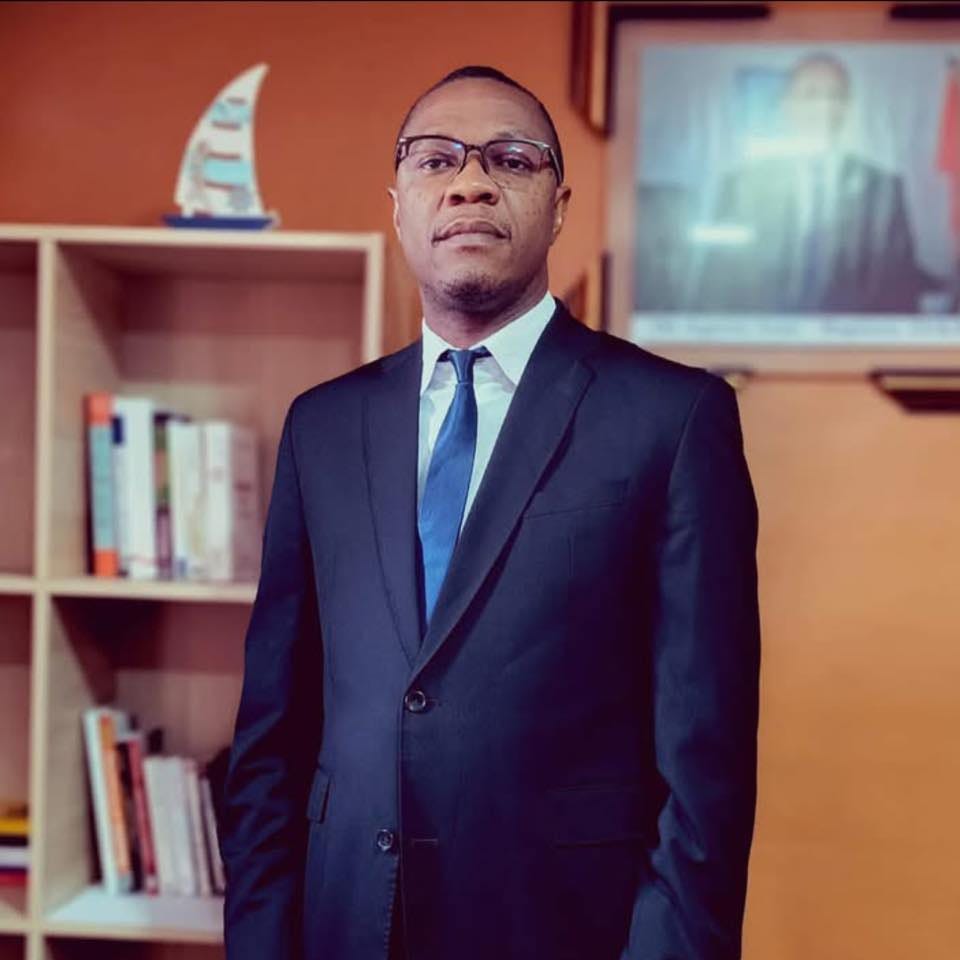
Dr. Agnini Jean Baptiste Zekre is a geopolitical analyst, CEO of Kabowd Investments Group International, and pastor based in Jacqueville, Côte d’Ivoire. He holds a doctorate from the Université Félix Houphouët-Boigny, Abidjan-Cocody.
“Je puis tout par celui qui me fortifie.” — Philippiens 4:13