


February 21, 2026 | USDailyLetter.com
In what may be the most consequential economic ruling since the pandemic era, the U.S. Supreme Court on Friday delivered a stinging rebuke to President Donald Trump’s sweeping tariff agenda — and within minutes, traders on Wall Street started buying.
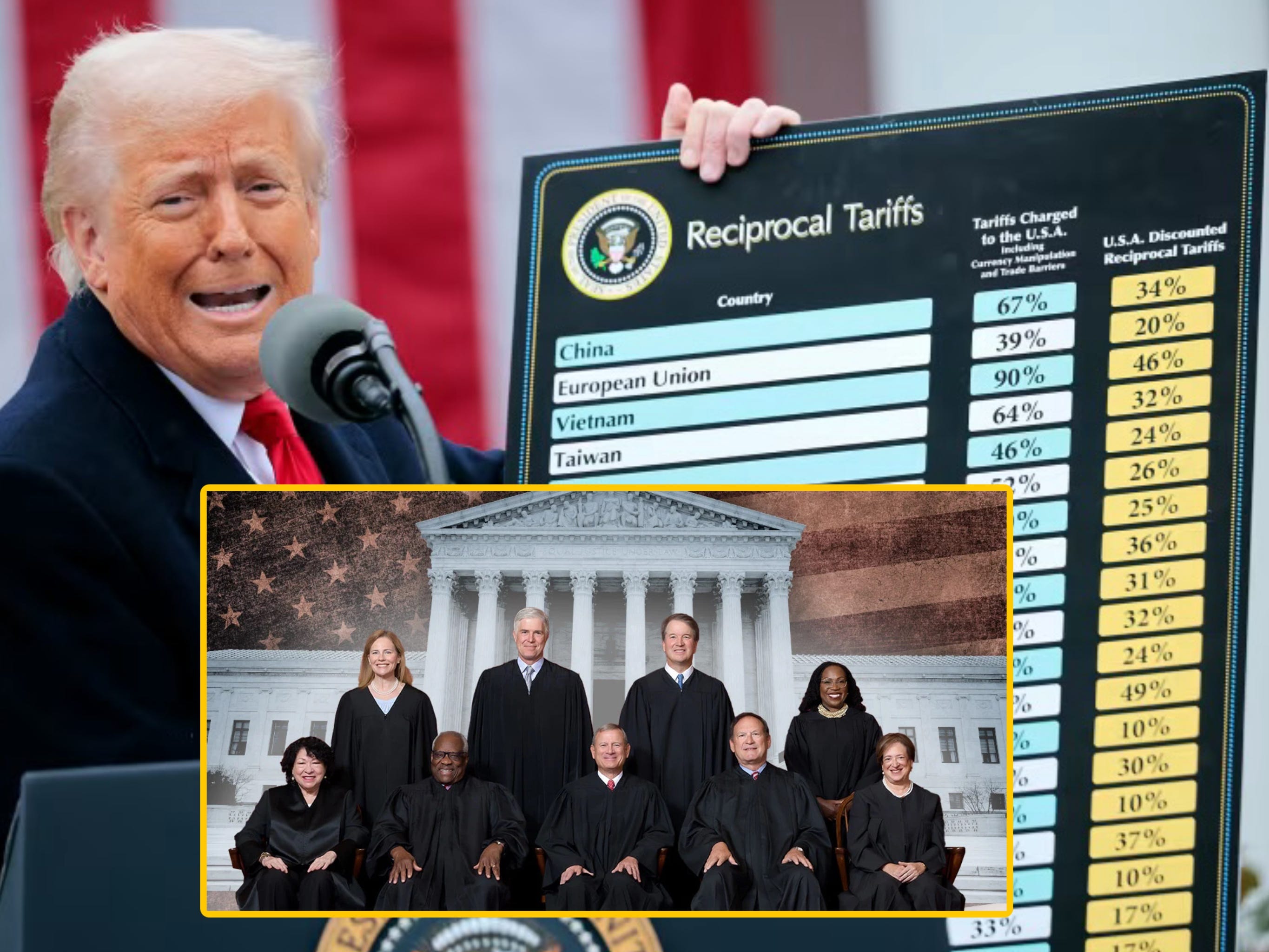
The case, Learning Resources, Inc. v. Trump, had been years in the making but came to a head with stunning speed. By a vote of 6-3, the justices ruled that Trump’s tariffs exceeded the powers given to the president by Congress under a 1977 law providing him the authority to regulate commerce during national emergencies created by foreign threats.  The law in question — the International Emergency Economic Powers Act, or IEEPA — had never been used to impose tariffs until Trump came along.
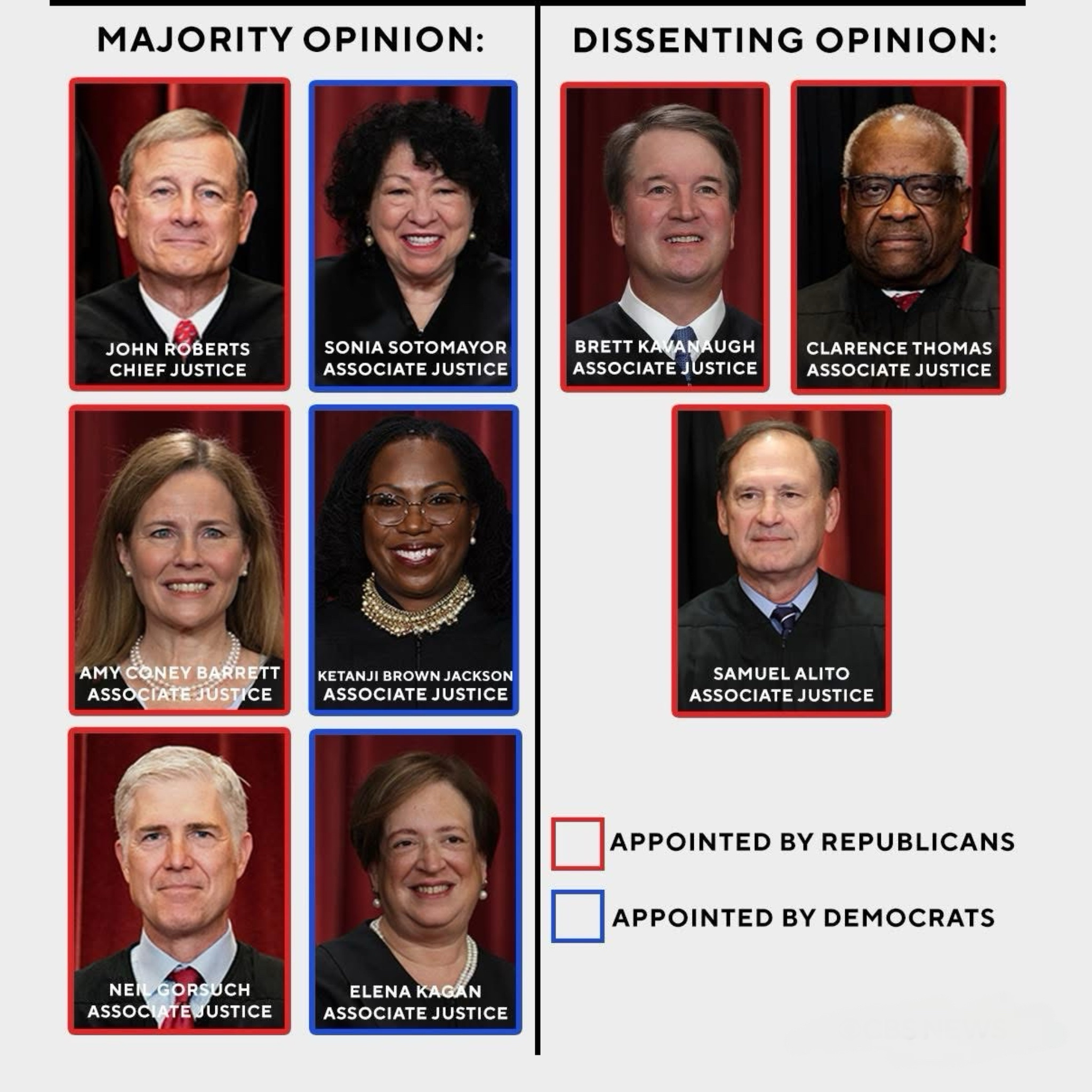
Chief Justice John Roberts wrote the majority opinion in plain terms: “IEEPA contains no reference to tariffs or duties. Moreover, until now no President has read IEEPA to confer such power.”  The six-justice majority included three conservatives — Roberts, Neil Gorsuch, and Amy Coney Barrett — alongside the court’s three liberal justices. Justices Clarence Thomas, Samuel Alito, and Brett Kavanaugh dissented.
What Was Actually Struck Down?
Not everything. The ruling invalidates many, but not all, of Trump’s tariffs. The decision does not affect tariffs on steel and aluminum imposed using different laws.  But the big ones — the so-called “Liberation Day” reciprocal tariffs that Trump unveiled on April 2, 2025, targeting nearly every country on Earth — are gone. The IEEPA tariffs, including the “Liberation Day” reciprocal tariffs, raised the applied U.S. tariff rate by 7 percentage points and the effective tariff rate by nearly 5 percentage points. 
The financial scale is enormous. As of December 14, 2025, the government had collected $133.5 billion in IEEPA tariff payments from U.S. importers, estimated through February 20 to be at least $160 billion.  Whether any of that gets refunded is now a mess of its own — the court was silent on that question, and the matter has been remanded to lower courts.
How Markets Reacted
The ruling dropped at 10 a.m. on Friday morning, and markets moved immediately — though not as explosively as some had predicted.
The S&P 500 advanced 0.69% and closed at 6,909.51, while the Nasdaq Composite gained 0.9% and settled at 22,886.07. The Dow Jones Industrial Average added 230 points, or 0.47%, and ended at 49,625.97.  All three major indexes posted weekly gains.
The real winners were retail and consumer stocks. Victoria’s Secret surged as much as 5.6%, Dollar Tree jumped 4%, and Abercrombie & Fitch increased 5.5%. Shares of Lululemon and Dick’s Sporting Goods also rose.  These are companies that had been hammered by tariff-related cost pressures for nearly a year.
Treasury yields and the dollar also moved — Treasuries and a Bloomberg gauge of the dollar fell, while stocks rallied.  The dollar initially jumped against major currencies before reversing course by end of day, a sign that investors were still working through the implications.
Market sentiment was cautious but optimistic. “I think this decision is a green light for the equity bulls,” said Jeff Kilburg, CEO of KKM Financial. “Markets vaulting over this hurdle is one less macro headwind bulls need to persist higher.” 
Trump Fires Back — With a New Tariff
The president did not take the ruling quietly. Trump called the decision “deeply disappointing” and said he was “ashamed” of some of the justices, saying they were “very unpatriotic and disloyal to our Constitution” — including two he personally nominated, Gorsuch and Barrett. 
And in classic Trump fashion, he didn’t wait long to find a workaround. By Friday evening, Trump announced he had signed an executive order imposing a new 10% “global tariff” under Section 122 of the Trade Act of 1974 — a different legal authority the court did not strike down.  Treasury Secretary Scott Bessent said this approach, combined with other existing authorities, “will result in virtually unchanged tariff revenue in 2026.” 
So the tariff war isn’t over. It’s just moved to different legal terrain.
The Bottom Line
This is a historic win for the rule of law — and a meaningful one for American businesses and consumers who have borne the brunt of tariff-driven price increases. But with Trump already pivoting to alternative legal mechanisms, and the question of refunds unresolved, the story is far from finished.
As one analyst put it: the uncertainty has been lifted on one chapter. The next chapter starts Monday.
— USDailyLetter.com Staff | February 21, 2026