


MARKET INSIGHT | March 28, 2026
Four weeks in, the economic damage is real, spreading, and far from over.
The US-Israeli strikes on Iran began on February 28. What followed was not just a military campaign — it was the ignition of what the International Energy Agency has called the greatest global energy security challenge in history. Today, March 28, markets are still absorbing the full weight of that shock.
The Strait Tells the Story
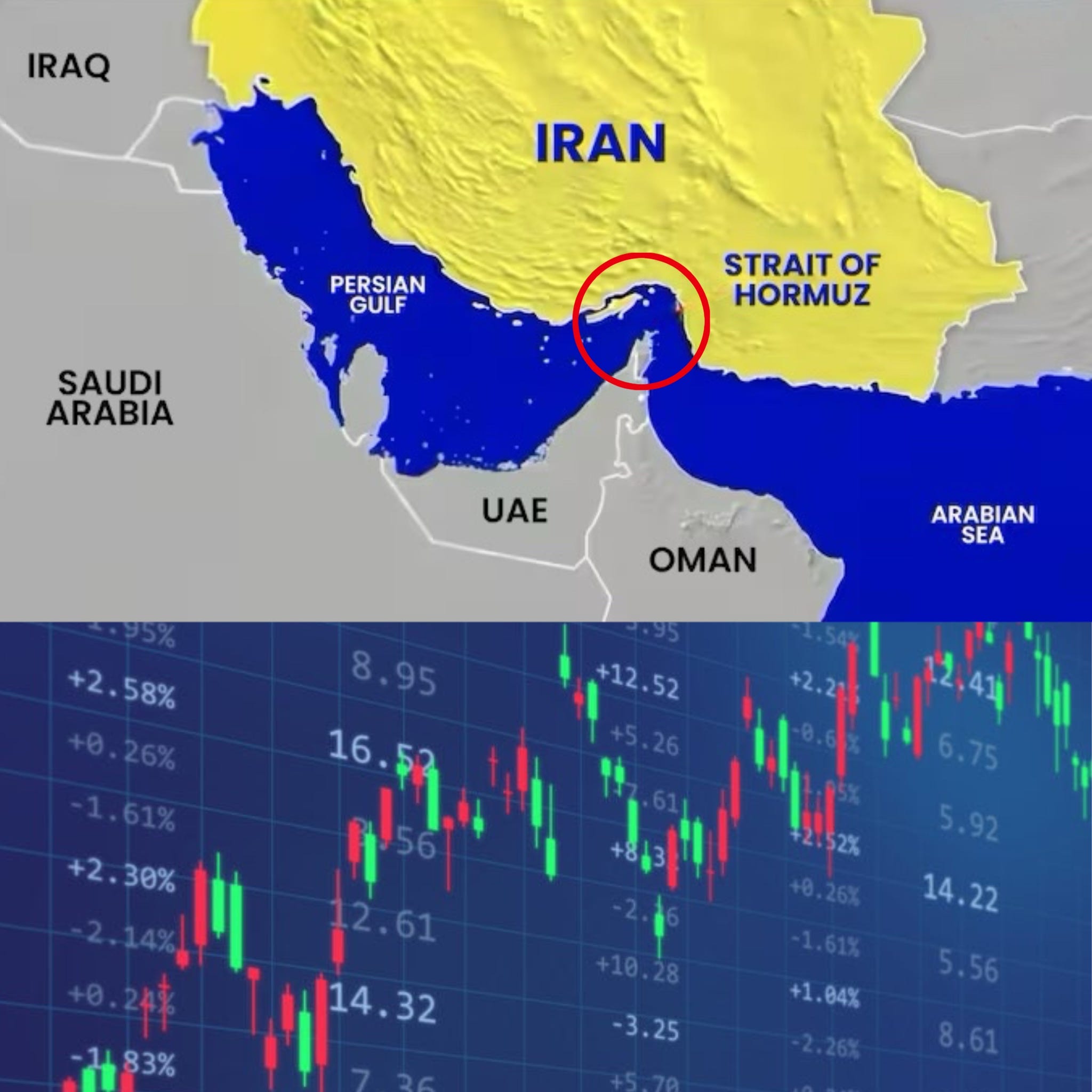
Everything comes back to one narrow corridor of water. The Strait of Hormuz, a maritime chokepoint between Iran and Oman, normally handles roughly 20 million barrels of oil and petroleum products per day — about a fifth of global consumption — plus roughly one-fifth of global liquefied natural gas trade.  Since the first strikes, that corridor has been effectively paralyzed.
Following the closure of the Strait on March 4, oil and LNG exports were stranded, causing Brent Crude to surge past $120 per barrel and forcing QatarEnergy to declare force majeure on all exports.  On March 18, the situation worsened: Iran struck Qatar’s Ras Laffan Industrial City LNG complex, causing a 17% reduction in Qatar’s LNG production capacity — damage that analysts estimate will take three to five years to repair. LNG spot prices in Asia consequently surged by over 140%. 
Markets With Nowhere to Hide
The war and the spike in energy prices have rattled not just stocks, but also traditional safe havens like bonds, gold, and currencies, leaving investors with fewer places to shelter. 
The Dow, S&P 500, and Nasdaq are each on track for their worst month in a year. Gold futures have dropped 4%, Treasury yields are climbing as investors sell bonds, and the Nasdaq has entered correction territory, down more than 10% from its peak in late October. 
Traders are currently pricing in zero rate cuts from the Federal Reserve this year.  The Fed, already navigating inflation above its 2% target before the conflict started, now faces an oil-driven inflationary impulse with little room to maneuver. The word economists are quietly starting to use: stagflation.
Asia Absorbs the Hardest Hit
Japan relies on the Middle East for roughly 90% of its crude oil imports, most of which transits through Hormuz. South Korea gets about 70% of its crude from the region and routes more than 95% of that through the strait. South Korea has already activated a 100 trillion won market-stabilization program, roughly $68 billion, in response to war-related volatility. 
As of mid-March, Australia’s stock exchange had fallen more than 6%. Russian stocks, meanwhile, have trended upward, Russia being a major non-Gulf hydrocarbon supplier now positioned to benefit from the disruption. 
Europe: Exposed but Not Defenseless
Europe imports only about 5% of its crude oil through the Strait, but as a major energy importer it remains highly exposed to rising global prices. The European Central Bank postponed planned rate reductions, raising its 2026 inflation forecast and cutting GDP growth projections.  The euro-zone economy is expected to contract in Q2 and flatline through the second half of the year. 
Europe entered 2026 with significantly lower gas storage levels than in recent years — 46 billion cubic metres at end of February, compared to 60 bcm in 2025 and 77 bcm in 2024.  That buffer is thin heading into a prolonged disruption.
Food, Fertilizer, and the Downstream Spiral
The damage isn’t limited to fuel pumps and trading floors. From the start of the conflict through March 20, fertilizer prices increased by up to 40%, sending food prices rising across the globe.  Aviation has also been significantly disrupted by airspace closures on key corridors between Africa, Asia, and Europe, with airlines rerouting around the Middle East adding time, fuel costs, and economic friction to global supply chains. 
The Bottom Line
What begins as a battlefield shock hardens into a geoeconomic one.  The United States, as a net energy exporter, is better insulated than most, but not immune. The conflict is likely to reinforce a broader pattern already underway: the relative economic strength of the United States compared to its allies and trading partners. 
The critical variable remains duration. If hostilities wind down in the coming weeks, markets will recover. If the Strait of Hormuz stays commercially compromised through spring and summer, the damage to growth, inflation trajectories, and central bank credibility becomes structural, not cyclical.
For now, the world is watching a chokepoint the size of a county road decide the fate of the global economy.
US Daily Letter — Markets & Geopolitics Desk | March 28, 2026