


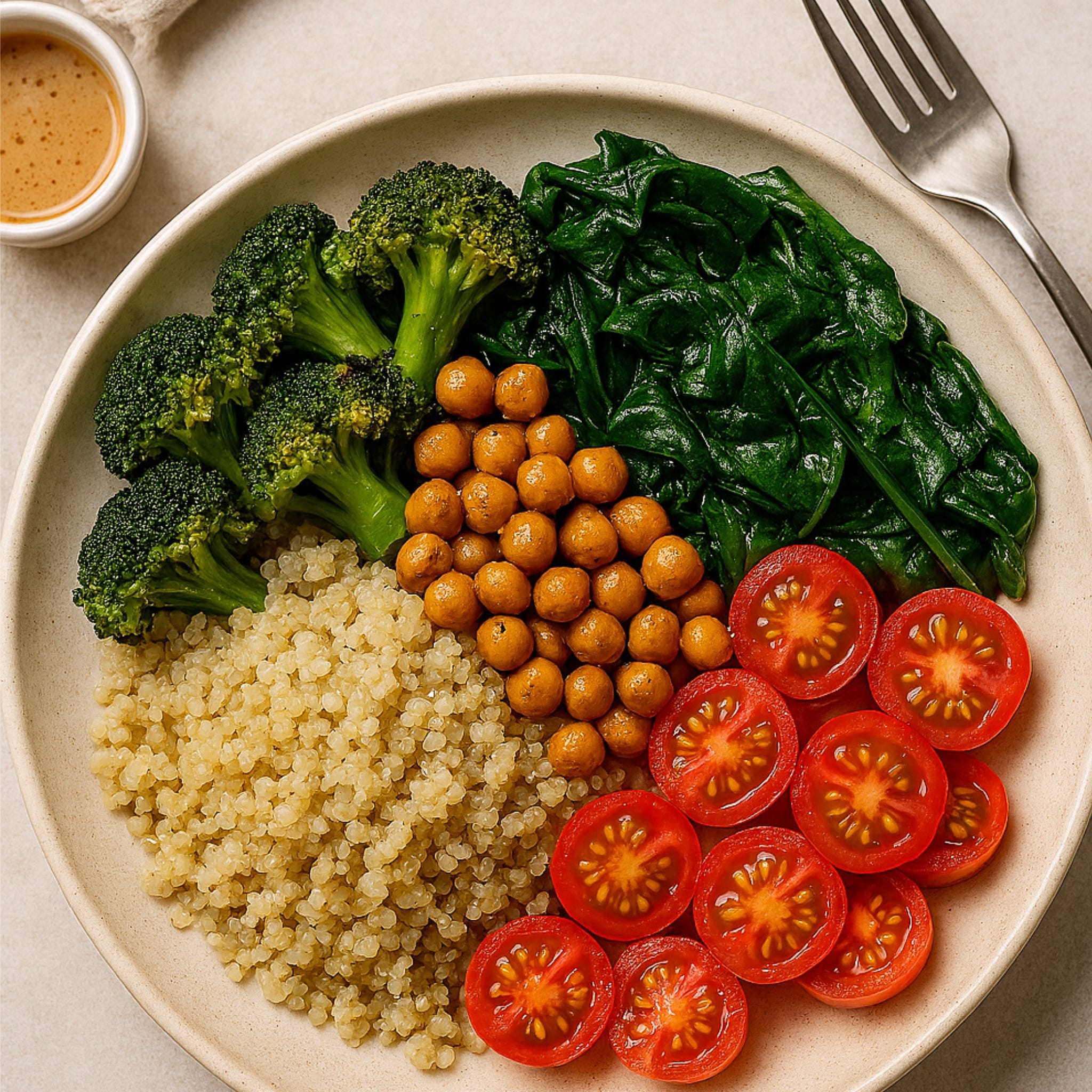
Many people assume that adopting a vegetarian diet will automatically lead to weight loss, but nutritionists caution that choosing the wrong foods can actually promote fat accumulation rather than prevent it.
In recent years, health consciousness has surged, prompting many to embrace vegetarianism for weight management and detoxification. However, nutritionist Gao Minmin warns that going vegetarian doesn’t guarantee healthy weight loss—and making common dietary mistakes can lead to excessive calorie, sugar, and additive consumption that disrupts metabolism and body composition.
The Processed Food Trap
Gao points out that the most frequent mistake among vegetarians is over-reliance on processed meat alternatives such as vegetarian chicken, vegetarian ribs, and vegetarian ham. These products often contain added starches, fats, and various additives during manufacturing, making them surprisingly calorie-dense. Additionally, many restaurants prepare vegetarian dishes with excessive oil or heavy sauces and thickening agents to enhance flavor, dramatically increasing overall calorie content.
Hidden Dangers in Seasonings and Cooking Methods
Seasoning methods pose another hidden crisis. Heavily flavored dishes like sweet and sour preparations, braised items, and rich vegetarian stews often contain high levels of sugar and sodium, which not only convert easily into stored fat but may also trigger water retention and chronic inflammation. Many vegetarians also habitually consume refined starches—white rice, white noodles, steamed buns, or fried rice cakes—that spike blood sugar rapidly, stimulating significant insulin release and promoting fat storage.
The Fat and Protein Problem
The quality of fats and proteins significantly impacts weight loss outcomes. Gao explains that regularly consuming unhealthy oils from fried vegetarian foods, pastries, or processed meat substitutes while lacking high-quality oils like olive oil and flaxseed oil can impair metabolic function. Furthermore, without proper combinations of legumes and grains, inadequate protein intake undermines muscle maintenance and tissue repair, making weight loss considerably more difficult.
Sweet Saboteurs
Gao also cautions that many people increase their consumption of desserts, dried fruits, nut-based treats, or sweetened soy milk after going vegetarian. These seemingly healthy foods are actually high in sugar and fat, significantly slowing weight loss progress.
Expert Recommendations for Vegetarian Weight Loss
For those seeking to lose weight through vegetarianism, Gao recommends building meals around whole, unprocessed ingredients while minimizing processed meat substitutes. Choose fiber-rich options like sweet potatoes, oats, mushrooms, and vegetables such as cauliflower and sweet potato leaves to extend satiety. Every meal should include plant-based proteins—tofu, edamame, chickpeas, or unsweetened soy milk—to preserve muscle mass and stabilize metabolism.
When cooking, use natural spices like ginger, garlic, and chili peppers for flavor, and incorporate moderate amounts of high-quality oils such as camellia oil or olive oil instead of sugar- and salt-heavy sauces.
The key takeaway: vegetarianism can support weight loss, but only when centered on whole foods and mindful preparation rather than processed alternatives that masquerade as healthy choices.